
pattern glass
The Essential Tool A Set of 3 Spirit Levels In the world of construction and home improvement, precision is paramount. Among the many tools that tradespeople and DIY enthusiasts rely on, the spirit level stands out as a quintessential device for ensuring accuracy. A set of three spirit levels, each varying in size and purpose, can significantly enhance your ability to ascertain the true level of surfaces and structures. By exploring the various types of spirit levels, their uses, and the advantages of having a complete set, we can appreciate why they are indispensable tools for any project. Understanding Spirit Levels A spirit level, often referred to simply as a level, is a tool used to determine whether a surface is horizontal (level) or vertical (plumb). The classic design consists of a sealed tube filled with liquid - usually alcohol or other clear fluid - with an air bubble inside. When the tool is placed on a surface, the bubble will settle between two marked lines if the surface is perfectly level. This simple yet effective mechanism has remained largely unchanged over centuries, proving its reliability. The Three-Piece Set Utilizing a set of three spirit levels can greatly enhance versatility on the job. Each level in the set serves a specific purpose and certain advantages when used in conjunction with one another. 1. The Standard Level Typically 48 inches long, the standard spirit level is the most commonly used type and is ideal for a wide range of projects. From installing kitchen cabinets to leveling a foundation, its length allows users to measure larger surfaces effectively. The standard level is equipped with multiple vials, making it easier to check both horizontal and vertical planes simultaneously. 2. The Torpedo Level Generally measuring around 9 to 12 inches, the torpedo level is compact and perfect for tight spaces. Its portability makes it ideal for tasks such as installing electrical fixtures, plumbing, and minor carpentry work. Due to its size, it can easily fit in a tool belt or pocket, providing effortless accessibility for quick checks. set of 3 spirit levels 3. The Stick Level This level is often used for aligning long and narrow objects, such as railings or fences. It provides a continuous level reference along its length, allowing for effective alignment over greater distances. The stick level is especially useful when working outdoors or in large spaces where precision along a long surface is required. Advantages of Using a Set Having a complete set of three spirit levels increases your efficiency and effectiveness on the job. Here are a few reasons why investing in such a set is beneficial - Versatility Each level in the set is optimized for different tasks, allowing users to tackle a wide variety of projects without needing to switch tools. This adaptability can save both time and effort. - Accuracy By using the right type of level for each job, you enhance the precision of your measurements. Accurate leveling is crucial in construction, as even minor deviations can lead to significant structural problems later on. - Convenience Carrying a set means you are prepared for any situation. Whether you need to make a quick adjustment or undertake a major project, having all three levels ensures that you are equipped with the right tool for the task. In conclusion, a set of three spirit levels is an invaluable addition to any handyman’s toolbox. Their varying sizes and purposes allow for versatility, ensuring that you can achieve precise measurements in various situations. Whether you are a seasoned contractor or a budding DIY enthusiast, investing in this essential trio will not only improve your work quality but also boost your confidence in tackling any project. In the realm of precision, the spirit levels stand firmly as reliable allies in achieving a job well done.
about
pattern glass
Understanding Morse Taper Gauges A Comprehensive Guide In the world of machining and precision engineering, the term Morse taper refers to a specific type of taper used to securely hold tools, primarily in lathes and drill presses. Named after its inventor, Stephen A. Morse, the Morse taper has become a standard in the industry due to its effective design and functionality. This article delves into the intricacies of Morse taper gauges, their applications, and their importance in ensuring precision and safety in manufacturing processes. What is a Morse Taper? A Morse taper is a self-locking conical fitting used primarily in machine tools to connect tools and holders. It features a series of tapered designs with increasing diameter measurements. This design ensures that tools can be easily inserted and removed while maintaining a secure hold during operation. The Morse taper system is available in several sizes—ranging from Morse Taper No. 0 to No. 7—where the number indicates the size of the taper, with No. 0 being the smallest and No. 7 being the largest. The Role of Morse Taper Gauges Morse taper gauges are precision measuring instruments utilized to determine the size and compatibility of Morse taper tools and spindle sockets. These gauges are critical for machinists and manufacturers who require a high degree of accuracy when selecting or verifying tool sizes. A Morse taper gauge typically features a series of tapered slots or pins, corresponding to the various Morse taper sizes. By inserting the gauge into the tool holder, users can confirm the correct taper size, ensuring a proper fit and stable operation. Importance of Accurate Measurements Accurate measurements in Morse tapers are crucial for several reasons 1. Tool Stability An accurate Morse taper fit minimizes vibrations and tool run-out, which can lead to poor machining quality and shortened tool life. 2. Safety A securely fitted tool reduces the risk of tool slippage, which can cause accidents during machining operations. morse taper gauge 3. Interchangeability In a workshop with multiple machines and tooling setups, having standard Morse taper sizes ensures that tools can be easily swapped between different machines without the need for constant readjustments. Utilizing Morse Taper Gauges When using a Morse taper gauge, follow these steps to ensure accurate measurement 1. Clean the Taper Before testing, ensure the Morse taper and the corresponding gauge are clean and free of debris. Dirt or grime can interfere with the fit and lead to incorrect readings. 2. Select the Appropriate Gauge Choose the gauge that corresponds to the size range you are measuring. It’s often beneficial to start with the smallest size and work your way up to find the most appropriate match. 3. Insert the Gauge Gently insert the gauge into the taper. There should be a snug fit without excessive force. If the gauge is too loose or too tight, it may indicate an improper match or wear on the tool. 4. Verify Fit Ensure that the gauge sits flush against the shoulder of the taper. A proper fit is essential for the tool to operate effectively and safely. Conclusion Morse taper gauges play a crucial role in the machining industry by providing machinists and manufacturers with the necessary tools to ensure accurate measurements and successful tool compatibility. By understanding the importance of Morse tapers and using gauges correctly, operations can achieve enhanced efficiency, quality, and safety. As industry standards continue to evolve, the significance of precise measuring tools, like the Morse taper gauge, remains steadfast in the pursuit of excellence in manufacturing and precision engineering. Whether you are a seasoned machinist or a newcomer to the field, leveraging the capabilities of Morse taper gauges is a fundamental step toward ensuring optimization in any machining operation.
-

High quality industrial productsagement

High quality industrial products
View Details -

Meet the diverse needs of customers

Meet the diverse needs of customers
View Details -

Strict quality control

Strict quality control
View Details -

Top raw materials

Top raw materials
View Details -

Trusted supplier

Trusted supplier
View Details
Our application


news and information
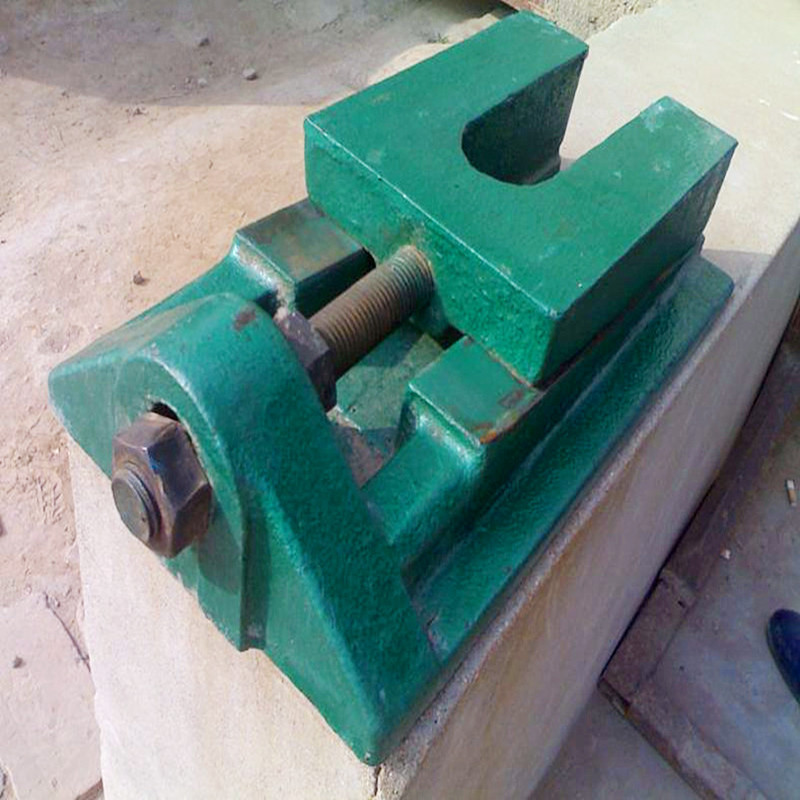
Válvula de equilíbrio estático para sistemas hidráulicos eficientes e de fácil ajuste
Válvula de Balanceamento Estático Importância e Aplicações A válvula de balanceamento estático é um
waterleidingklep
Waterlijnklep Een Cruciaal Element voor Efficiënt Beheer van Waterlopen Een waterlijnklep, of waterl
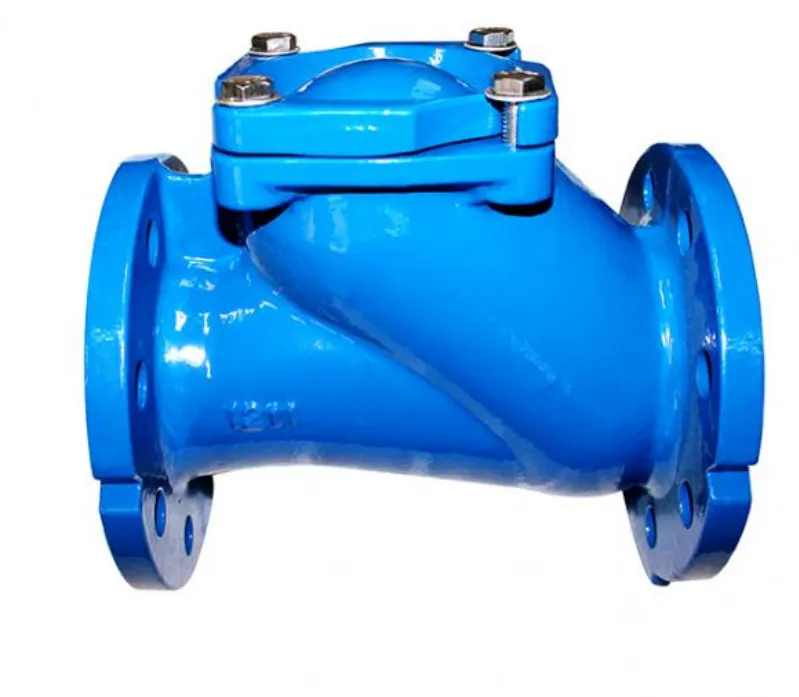
Valvola a farfalla da 250 mm per applicazioni industriali e sistemi di controllo del flusso
Valvola a Farfalla da 250 mm Un Componente Essenziale per la Regolazione dei Fluidi La valvola a far
 English